
COURSES
The Outpost Training Programs

Game & Wildlife Management
National Qualification
Students gain hands-on experience in habitat management, species identification, and sustainable game practices, preparing them for careers in conservation and game farming.

Animal Production
National qualification
Students can specialise in Beef or Sheep each specialisation provides focused, practical training in breeding, nutrition, health management, and production systems, preparing students for successful careers in the agricultural sector.

MSD
Animal Health
National Qualification
Students receive focused training in disease prevention, biosecurity, vaccination protocols, and livestock health management.
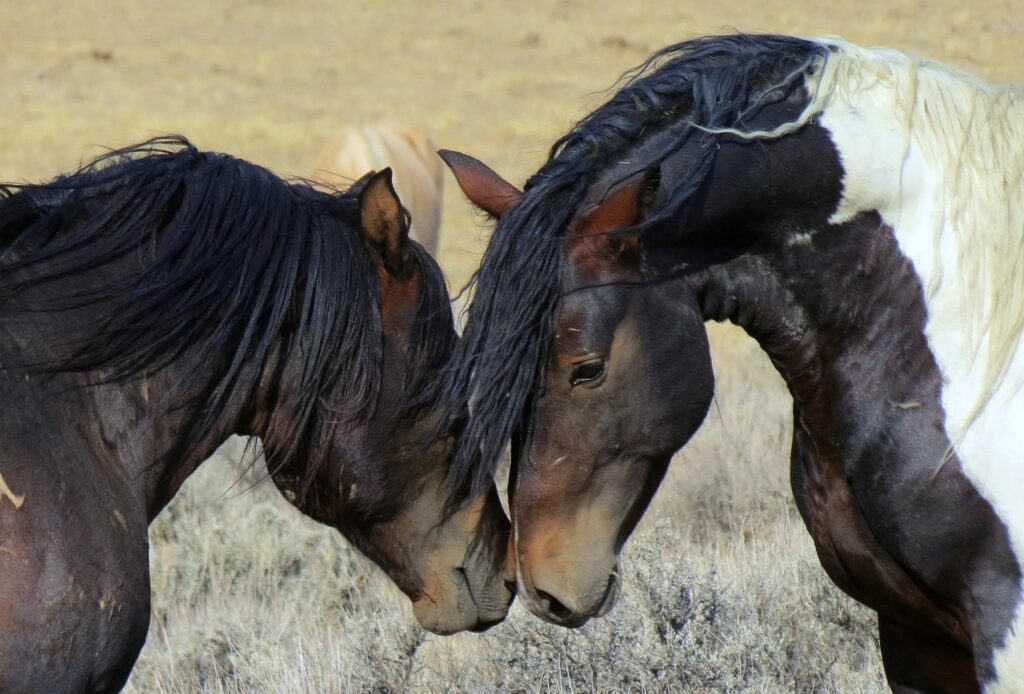
Gap Year (10 months) or 5 Months Equine studies
Certificate
Offering courses in Horsemanship, Comprehensive equine science for all levels.
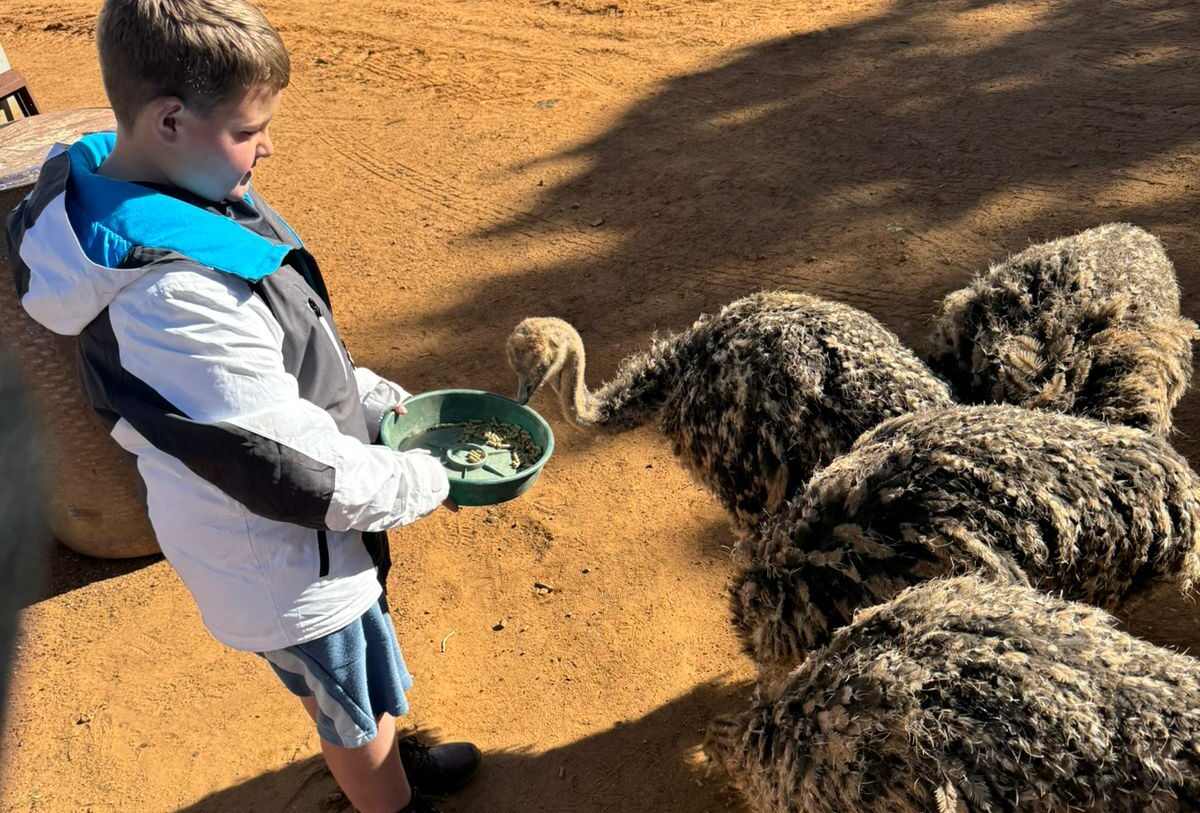
Holiday Program
for kids
An engaging school holiday adventure camp for youngsters, perfect for long vacations
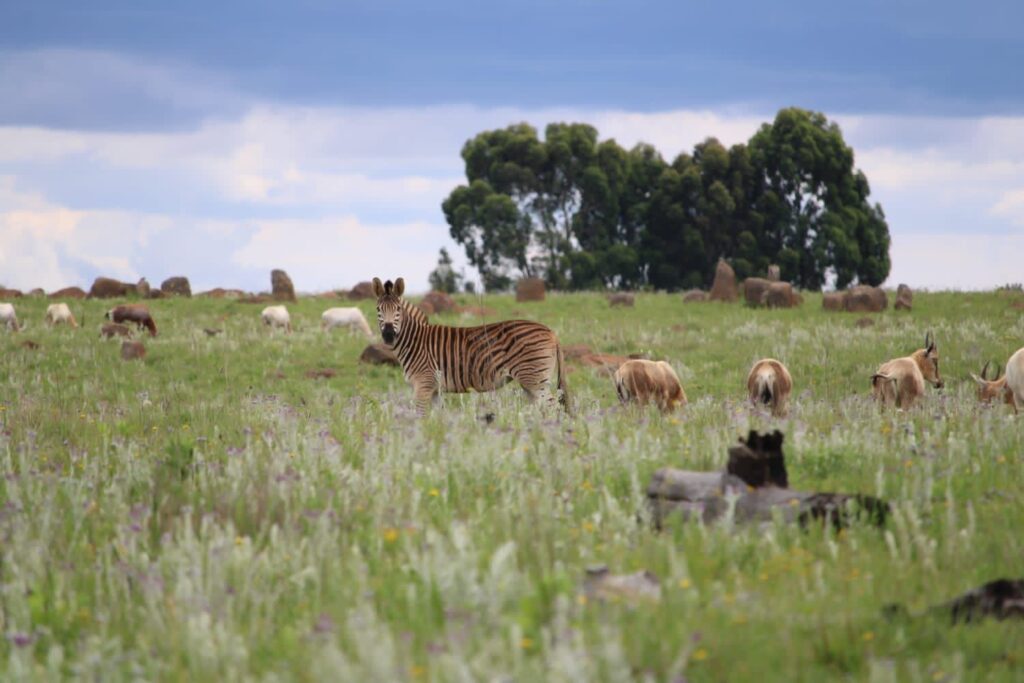
Wildlife Management
One-Year Certificate
A solid foundation in wildlife conservation, ecology, and management practices.
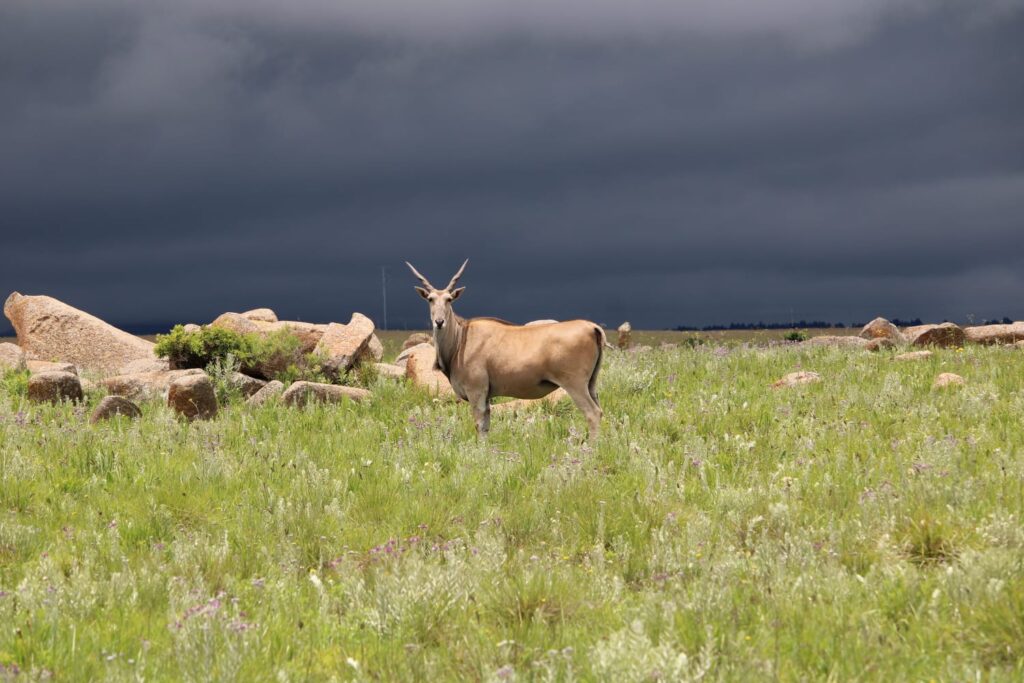
Wildlife Management
Two-Year Diploma
An advanced program covering conservation strategies, research methodologies, and hands-on management skills.
EQUINE SCIENCE & Natural Horsemanship
Certificate
Equestrian program that combines equine science and natural horsemanship, providing students with both theoretical knowledge and practical experience in horse care and training.
Working Holiday
7 Week
Offers hands-on experience in equine and lodge management, combined with immersive natural horsemanship training.
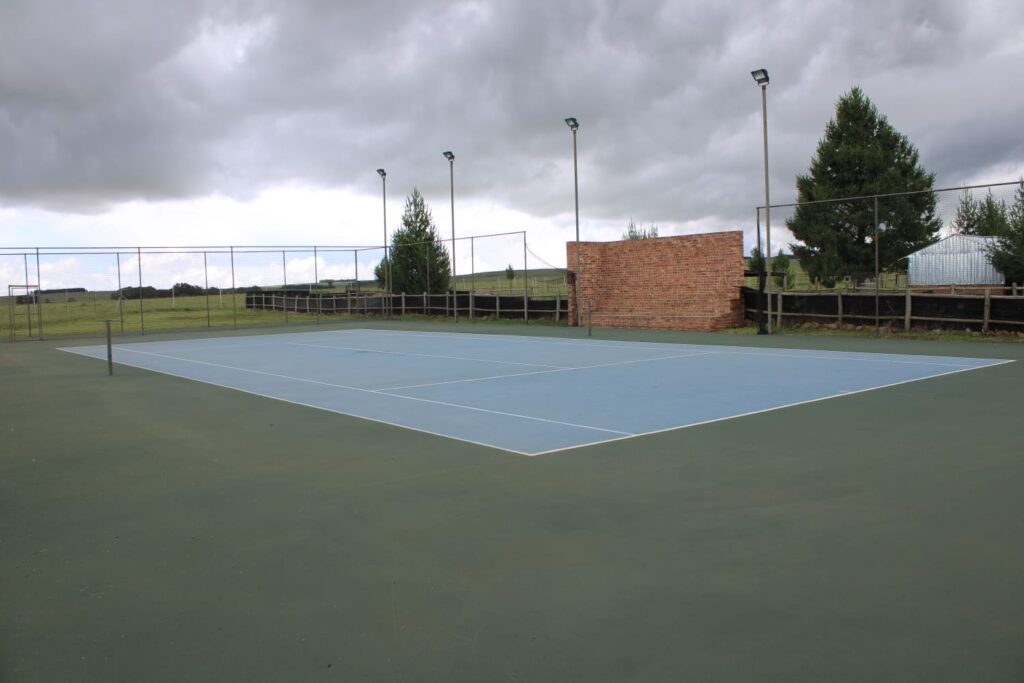
Holiday Program
for kids
Introducing children to the basics of horse riding and horsemanship in a fun and safe environment.
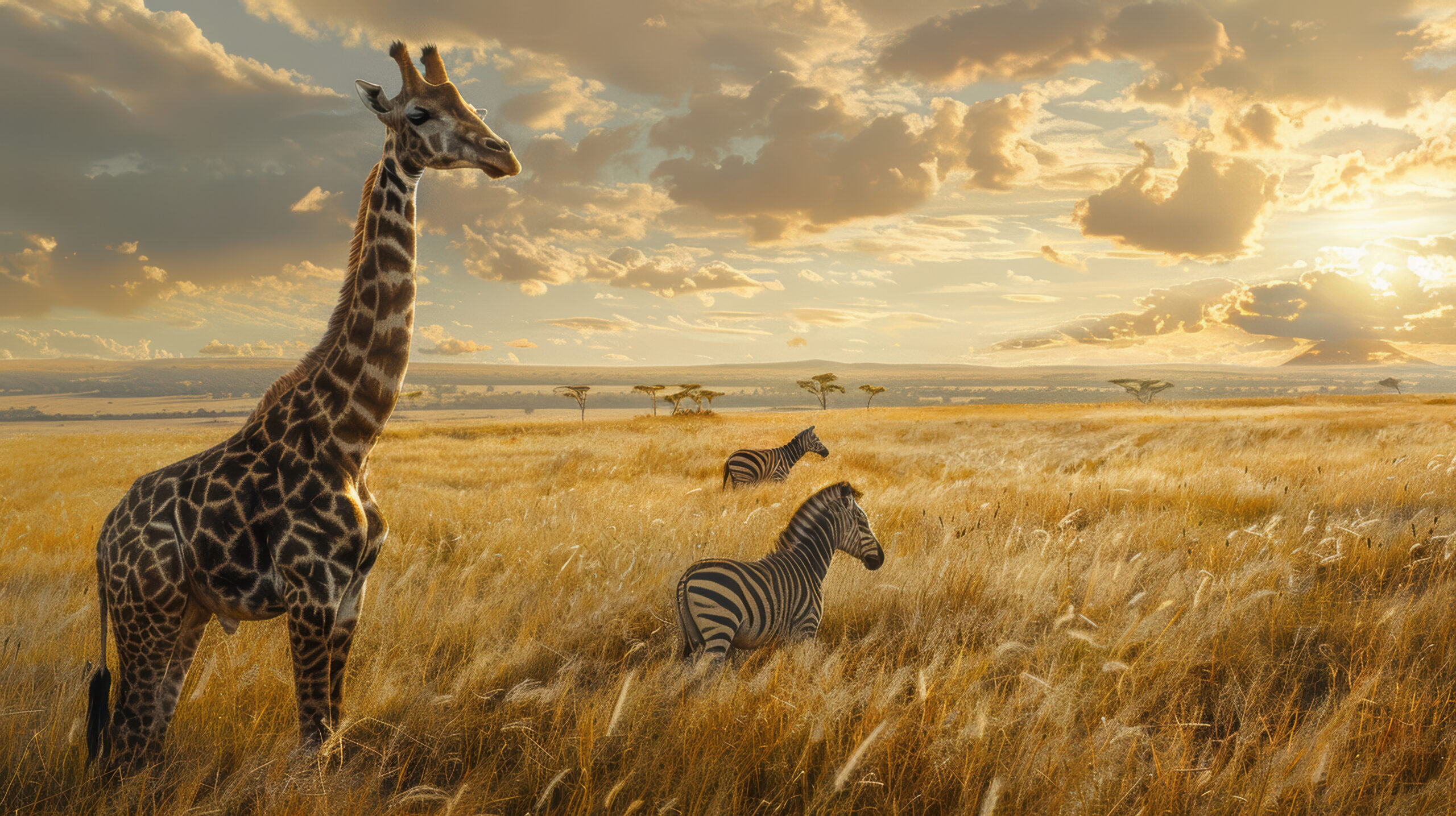
Game & Wildlife Management
One-Year Certificate or Two-Year Diploma
Semester 1
- Introductory Modules (INDU110 & NATU110)
- Basic Computer Skills (COMP110)
- Communication Skills I (COMM114)
- Applied Mathematics & Statistics I (MATH114)
- Agricultural Science (AGSC110)
- Agricultural Management & Economics I (AGMA114)
- Animal Science I (ANIM114)
- Game & Wildlife Management I (GAME114)
Semester 2
- Communication Skills II (COMM124)
- Agri Engineering Technology (ENGI124)
- Agricultural Management & Economics I (AGMA124)
- Animal Science I (ANIM124)
- Grazing & Pasture Science I (GRAZ120)
- Game & Wildlife Management I (GAME114)
Equine
Fundamentals of Natural Horsemanship
ADMISSION REQUIREMENTS:
The following minimum admission requirements will be required to enter for the National Diploma:
- National Senior Certificate (Grade 12), or National Certificate (Vocational) that allows entrance to Diploma or Higher Certificate studies
- Minimum Application Point of 20
- English tuition language with a minimum achievement level of 3 (40%)
- Mathematical Literacy with a minimum achievement level of 4 (50%), or
- Mathematics with a minimum achievement level 2 (30%)
Introductory Modules
- Introduction to Agripedia (INDU110)
- Nature of Thought (NATU110)
Module 1: Basic Computer Skills (COMP110)
- Introduction to Computers
- Computer Components
- Operating Systems
- Electronic Communication
- Microsoft Office
Module 2: Communication Skills I (COMM114)
- Accommodate audience and context needs in oral/signed communication
- Interpret a variety of literary texts
- Interpret and use information from texts
- Write texts for a range of communicative contexts
Module 3: Applied Mathematics & Statistics I (MATH114)
- Conversions
- Quantities in Agriculture
- Circumference, Area, Volume & Distances
- 2 and 3 Dimensions
- Maps
- Data, Statistics & Probability in Agriculture
- Financial Mathematics
Module 4: Agricultural Sciences I (AGSC110)
- Animal & Plant Biology
- Basic Chemistry
- Ecology Principles
Module 5: Agricultural Management & Economics I (AGMA114)
- Farm Planning
- Introduction to Farm Management
- Human Resource Management
- Input Procurement, Purchasing & Stock Control
Module 6: Animal Sciences I (ANIM114)
- Classification & Nomenclature
- Genetics & Breeding
- Anatomy & Physiology
Module 7: Game & Wildlife Management I (GAME114)
- Game Farm Planning
- Game Species
Module 1: Communication Skills (COMM124)
- Engage in sustained oral communication and evaluate spoken texts
- Read analyse and respond to a variety of texts
- Use language and communication in occupational learning programmes
- Write for a wide range of contexts
Module 2: Agri Engineering Technology (ENGI124)
- Energy
- Agricultural Safety
- Tools & Equipment
- Structural Materials & Construction Processes
- Irrigation & Water Supply
- Geographic Information Systems
Module 3: Agricultural Management & Economics (AGMA124)
- Farm Business Planning
- Financial Management
- Natural & Sustainable Resources
- Marketing
Module 4: Animal Science (ANIM124)
- Animal Nutrition
- Predation Management
- Animal Diseases & Health (MSD)
Module 5: Grazing & Pasture Science (GRAZ120)
- Introduction to Veld Management
- Succession, Evolution and Veld Types
- Plant Identification
- Assessment of Veld Condition and Carrying Capacity
Module 6: Game & Wildlife Management I (GAME124)
- Game Management
- Hospitality & Tourism
Module 1: Applied Mathematics & Statistics (MATH215)
- Patterns, Sequences & Series
- Functions
- Complex Numbers
Module 2: Grazing and Pasture Science (GRAZ210)
- Growth Processes in Plants
- Production from Grasslands
- Herbage Quality
- Influence of Defoliation on Plants
- The Grazing Animal
- Removal of Excessive Grazing
- Objectives of Veld Management
Module 3: Animal Science (ANIM215)
- Anatomy & Physiology
Module 4: Game & Wildlife Management I (GAME215)
- Genetics and Breeding of Wildlife
- Consumptive & Non-Consumptive Use of Wildlife
- Game & Wildlife Nutrition
Module 1: Agricultural Management & Economics (AGMA225)
- Business Ownership
- Operational Planning & Execution
- Production Management
Module 2: Grazing and Pasture Science (GRAZ220)
- Characteristics of Veld Types
- Subdivision of Veld in Homogenous Ecological Units
- Principles of Management Systems
- Resting Practices
- Stocking Rates & Grazing Capacity
- Multi-camp Systems
- Grazing Management Records
Module 3: Animal Science (ANIM225)
- Agri-eco tourism
- Bee management and pollination
Module 4: Game & Wildlife Management I (GAME225)
- Wildlife Biosecturiy and Diseases
- Rehabilitation of wildlife
- Export logistics
First Year
Fundamentals of Natural Horsemanship
- Building a Foundation: Develop trust, clear communication, and groundwork skills.
- Groundwork Exercises: Teach basic commands and focus on leading, stopping, and backing up.
- Desensitization and Lunging: Acclimate the horse to stimuli and improve control through lunging.
- Riding Fundamentals: Transition from groundwork to riding with emphasis on balance and comfort.
Second Year
Equine Physiology and Sociology: Understanding Horse Behaviour, Anatomy, and Biological Systems.
Delve into the horse’s anatomy, understand more about the biological systems that sustain life and influence behaviour, and learn the critical role of social structures in equine communities.
Horse Riding Techniques
- Instruction in various riding styles and techniques.
- Balance, posture, and control while riding.
- Advanced manoeuvres and training for competitive riding.
- Safety measures and proper horse handling during riding.
Events
- Planning and organizing various types of events, including conferences, and social gatherings.
- Coordination of logistics, vendor management, and budgeting.
- Marketing and promoting events to ensure high attendance and participant satisfaction.
- Post-event evaluation and feedback collection for continuous improvement.
Livestock Handling Practices
- Techniques for safe and humane handling of livestock.
- Understanding animal behaviour and welfare.
Animal Health and Diseases
- Identification and management of common animal diseases.
- Preventative health care practices and treatments.
Sheep Shearing
- Techniques and best practices for shearing sheep.
- Hands-on experience and skill development in shearing.
First Aid
- First aid 1 & 2 skills and emergency response.
- CPR, wound care, and handling medical emergencies.
- Option of First Aid level 3 training as well
Knowledge in Fishery
- Principles of fish farming and aquaculture.
- Techniques for breeding, feeding, and harvesting fish.
- Sustainable fishing practices and environmental impact management.
Fire Fighting
- Basics of fire prevention and safety.
- Training in the use of firefighting equipment and techniques.
- Emergency response procedures for different types of fires.
- Practical drills and simulations to enhance readiness and response capabilities.
Animal Production
National Certificate or Diploma - SAQA Accredit. Specialisation such as Beef, Sheep, and Wool Production can be completed within the same academic period.
National Certificate in Animal Production (NQF Level 4) – One-Year Programme
The one-year National Certificate in Animal Production provides a foundational qualification combining academic online learning with structured practical hands-on training.
This programme equips students with fundamental knowledge in animal biology, sheep production principles, regenerative agriculture, agricultural economics, and basic farm management skills. It serves as an entry-level qualification into the agricultural sector and provides progression into the two-year National Diploma in Animal Production.
National Diploma in Animal Production (NQF Level 5) – Two-Year Programme
Specialisation: Sheep and Wool Production
The National Diploma in Animal Production with a specialisation in Sheep and Wool Production is an academic online programme supported by practical hands-on training, developed for the sub-Saharan Africa Sheep and Wool Industry.
The qualification focuses on the management of operational mutton and wool sheep production within the framework of animal biology, nature conservation, regenerative production, agricultural economics, and strategic business management, supported by knowledge in computer skills, communication, applied mathematics, agricultural engineering technology, chemistry, and physics.
The two-year National Diploma enables students to actively participate in primary mutton and wool production while enhancing the overall agrarian process and accessing local, national, and international agricultural markets.
Students gain specific competency in sheep production systems, breeding systems, handling practices, production norms and measurement, record keeping, diseases and biosecurity, feedlot management, sheep value chains, slaughtering processes, and wool classing and sorting, with a strong focus on economic and financial management.
On completion, students are well positioned to extend learning into related fields such as crop production, mixed farming, wildlife management, and farm management.
ADMISSION REQUIREMENTS
The following minimum admission requirements apply to the National Diploma:
• National Senior Certificate (Grade 12) or National Certificate (Vocational) allowing entry to Diploma or Higher Certificate studies
• Minimum Application Point Score of 20
• English (tuition language) – minimum Level 3 (40%)
• Mathematical Literacy – minimum Level 4 (50%), or
• Mathematics – minimum Level 2 (30%)
National Certificate in Animal Production (NQF Level 4) – One-Year Programme
The one-year National Certificate in Animal Production provides a foundational qualification combining academic online learning with practical hands-on training. This programme equips students with core knowledge in animal biology, production systems, regenerative practices, agricultural economics, and basic farm management principles.
It serves as a strong entry-level qualification into the agricultural sector and also provides progression into the two-year National Diploma in Animal Production.
National Diploma in Animal Production (NQF Level 5) – Two-Year Programme
The National Diploma in Animal Production with a specialisation in Beef Production is an academic online programme supported by practical hands-on training, developed for the sub-Saharan Africa Beef Industry.
The qualification focuses on the management of operational beef production skills within the framework of animal biology, nature conservation, regenerative production, agricultural economics, strategic and business management, supported by fundamental knowledge of computer skills, communication, applied mathematics, agricultural engineering technology, chemistry and physics.
The two-year National Diploma enables qualifying students to actively participate in primary beef production while enhancing the overall agrarian process and accessing local, national and international agricultural markets.
Specific competency is obtained in beef production systems, breeding systems, handling practices, production norms and measurement, record keeping, diseases and biosecurity, feedlot environments, value chains, slaughtering and processing of beef products, with a strong focus on economic and financial management.
On completion, students are well positioned to extend learning into other sub-fields such as crop production, mixed farming, wildlife management and farm management.
ADMISSION REQUIREMENTS
The following minimum admission requirements apply to the National Diploma:
• National Senior Certificate (Grade 12) or National Certificate (Vocational) allowing entry to Diploma or Higher Certificate studies
• Minimum Application Point Score of 20
• English (tuition language) – minimum Level 3 (40%)
• Mathematical Literacy – minimum Level 4 (50%), or
• Mathematics – minimum Level 2 (30%)
First Year
Fundamentals of Natural Horsemanship
- Building a Foundation: Develop trust, clear communication, and groundwork skills.
- Groundwork Exercises: Teach basic commands and focus on leading, stopping, and backing up.
- Desensitization and Lunging: Acclimate the horse to stimuli and improve control through lunging.
- Riding Fundamentals: Transition from groundwork to riding with emphasis on balance and comfort.
Second Year
Equine Physiology and Sociology: Understanding Horse Behaviour, Anatomy, and Biological Systems.
Delve into the horse’s anatomy, understand more about the biological systems that sustain life and influence behaviour, and learn the critical role of social structures in equine communities.
Horse Riding Techniques
- Instruction in various riding styles and techniques.
- Balance, posture, and control while riding.
- Advanced manoeuvres and training for competitive riding.
- Safety measures and proper horse handling during riding.
Events
- Planning and organizing various types of events, including conferences, and social gatherings.
- Coordination of logistics, vendor management, and budgeting.
- Marketing and promoting events to ensure high attendance and participant satisfaction.
- Post-event evaluation and feedback collection for continuous improvement.
Livestock Handling Practices
- Techniques for safe and humane handling of livestock.
- Understanding animal behaviour and welfare.
Animal Health and Diseases
- Identification and management of common animal diseases.
- Preventative health care practices and treatments.
Sheep Shearing
- Techniques and best practices for shearing sheep.
- Hands-on experience and skill development in shearing.
First Aid
- First aid 1 & 2 skills and emergency response.
- CPR, wound care, and handling medical emergencies.
- Option of First Aid level 3 training as well
Knowledge in Fishery
- Principles of fish farming and aquaculture.
- Techniques for breeding, feeding, and harvesting fish.
- Sustainable fishing practices and environmental impact management.
Fire Fighting
- Basics of fire prevention and safety.
- Training in the use of firefighting equipment and techniques.
- Emergency response procedures for different types of fires.
- Practical drills and simulations to enhance readiness and response capabilities.
MSD Animal Health
One-Year Certificate, Two-Year Diploma & Skill Courses
Semester 1
1. Introductory Modules (INDU110 & NATU110)
2. Basic Computer Skills (COMP110)
3. Communication Skills I (COMM114)
4. Applied Mathematics & Statistics I (MATH114)
5. Agricultural Science (AGSC110)
6. Agricultural Management & Economics I (AGMA114)
7. Animal Science I (ANIM114)
8. Animal Health & Biosecurity I (MSDH114)
Semester 2
1. Communication Skills II (COMM124)
2. Agri Engineering Technology (ENGI124)
3. Agricultural Management & Economics I (AGMA124)
4. Animal Science I (ANIM124)
5. Animal Health & Biosecurity I (MSDH124)
Courses are SAQA accredited.
ADMISSION REQUIREMENTS
- Grade 10, with basic literacy in English on Level 3 (40%)
- Communication at NQF Level 2
- Mathematical Literacy at NQF Level 2
- Agricultural activities at NQF 3
POSSIBLE CAREER OPPORTUNITIES
- Junior farmer
- Farm supervisor
- Enrol for further Diploma studies
SKILLS AND JOB OPPORTUNITIES
You will develop, over the tenure of your studies, a critical understanding of the MSD Animal Health Industry. You will gain practical and relevant skills that will enable you to work in the Livestock Health and Biosecurity production sectors.
The academic content is based on and supported by the latest MSD Animal Health Industry developments,
products and best practices that will allow you to participate meaningfully in Livestock Health Management.
Graduates will be able to enter the primary Livestock Health Industry and establish a thriving career through hard
work and commitment.
Introductory Modules
• Introduction to Agripedia (INDU110)
• Nature of Thought (NATU110)
Module 1: Basic Computer Skills (COMP110)
• Introduction to Computers
• Computer Components
• Operating Systems
• Electronic Communication
• Microsoft Office
Module 2: Communication Skills I (COMM114)
• Accommodate audience and context needs in oral/signed communication
• Interpret a variety of literary texts
• Interpret and use information from texts
• Write texts for a range of communicative contexts
Module 3: Applied Mathematics & Statistics I (MATH114)
• Conversions
• Quantities in Agriculture
• Circumference, Area, Volume & Distances
• 2 and 3 Dimensions
• Maps
• Data, Statistics & Probability in Agriculture
• Financial Mathematics
Module 4: Agricultural Sciences I (AGSC110)
• Animal & Plant Biology
• Basic Chemistry
• Ecological Principles
Module 5: Agricultural Management & Economics I (AGMA114)
• Farm Planning
• Introduction to Farm Management
• Human Resource Management
• Input Procurement, Purchasing & Stock Control
Module 6: Animal Sciences I (ANIM114)
• Classification & Nomenclature
• Genetics & Breeding
• Anatomy & Physiology
Module 7: Animal Health & Biosecurity I (MSDH114)
• Introduction to Animal Diseases
• Bacteriology
• Virology
• Protozoology
• Parasitology
Module 1: Communication Skills (COMM124)
- Engage in sustained oral communication and evaluate spoken texts
- Read analyse and respond to a variety of texts
- Use language and communication in occupational learning programmes
- Write for a wide range of contexts
Module 2: Agri Engineering Technology (ENGI124)
- Energy
- Agricultural Safety
- Tools & Equipment
- Structural Materials & Construction Processes
- Irrigation & Water Supply
- Geographic Information Systems
Module 3: Agricultural Management & Economics (AGMA124)
- Farm Business Planning
- Financial Management
- Natural & Sustainable Resources
- Marketing
Module 4: Animal Science (ANIM124)
- Animal Nutrition
- Predation Management
Module 5: Animal Health & Biosecurity II (MSDH124)
• Injuries & Wound Treatment
• Toxicology (Poisonings): Prevention and Treatment
• Metabolic & Nutritional Deficiency Diseases in Farm Animals
• Introduction to Veterinary Pharmacology
• Biosecurity on the Farm
• A Good Farm Health Plan
Second Year Modules
Semester 1
1. Applied Mathematics & Statistics II (MATH215)
2. Animal Science II (ANIM215)
3. Animal Health & Biosecurity II (MSDH214)
Semester 2
1. Agricultural Management & Economics II (AGMA225)
2. Animal Science II (ANIM225)
3. Animal Health & Biosecurity II (MSDH224)
ADMISSION REQUIREMENTS
The following minimum admission requirements will be required to enter for the National Diploma:
• National Senior Certificate (Grade 12), or National Certificate (Vocational) that allows entrance to Diploma or
Higher Certificate studies.
• Minimum Application Point of 20.
• English tuition language with a minimum achievement level of 3 (40%).
• Mathematical Literacy with a minimum achievement level of 4 (50%); or
• Mathematics with a minimum achievement level of 2 (30%).
• National Certificate: Animal Production with a Specialisation in Animal Health, NQF 4
SKILLS AND JOB OPPORTUNITIES
You will develop, over the tenure of your studies, a critical understanding of the MSD Animal Health Industry in
Africa in the modern era and working in a global economy. You will gain practical and relevant skills that will enable
you to work in the Livestock Health and Biosecurity production sectors.
The academic content is based on and supported by the latest MSD Animal Health Industry developments,
products and best practices that will allow you to participate meaningfully in Livestock Health Management.
Graduates will be able to enter the primary Livestock Health Industry and establish a thriving career through hard
work and commitment.
Career Paths Include:
1. MSD Animal Health Representative / Sales Agent
Promote and support MSD’s veterinary products, vaccines, and animal treatments while advising farmers and veterinarians on correct usage and herd health management.
2. Farm or Ranch Animal Health Manager
Oversee herd and wildlife health programs, implement biosecurity measures, and monitor feeding, medication, and production performance.
3. Livestock and Game Farm Consultant
Advise farmers and game ranches on herd health, nutrition, and management practices to prevent disease and improve productivity.
Module 1: Applied Mathematics & Statistics (MATH215)
• Patterns, Sequences & Series
• Functions
• Complex Numbers
Module 2: Animal Science II (ANIM215)
• Anatomy & Physiology
Module 3: Animal Health & Biosecurity II (MSDH215)
• Sheep Health & Biosecurity
• Cattle Health & Biosecurity
• Pig Health & Biosecurity
• Poultry Health & Biosecurity
• Goat Health & Biosecurity
Module 1: Agricultural Management & Economics II (AGMA225)
• Business Ownership
• Operational Planning & Execution
• Production Management
Module 2: Animal Science II (ANIM225)
• Animal Health Regulations and Legislation
• Artificial Insemination
Module 3: Animal Health & Biosecurity II (MSDH225)
• Horse Health and Biosecurity
• Dog Health and Biosecurity
• MSD practical workshop
- MSD customer sales and services
First Year
Fundamentals of Natural Horsemanship
- Building a Foundation: Develop trust, clear communication, and groundwork skills.
- Groundwork Exercises: Teach basic commands and focus on leading, stopping, and backing up.
- Desensitization and Lunging: Acclimate the horse to stimuli and improve control through lunging.
- Riding Fundamentals: Transition from groundwork to riding with emphasis on balance and comfort.
Second Year
Equine Physiology and Sociology: Understanding Horse Behaviour, Anatomy, and Biological Systems.
Delve into the horse’s anatomy, understand more about the biological systems that sustain life and influence behaviour, and learn the critical role of social structures in equine communities.
Horse Riding Techniques
- Instruction in various riding styles and techniques.
- Balance, posture, and control while riding.
- Advanced manoeuvres and training for competitive riding.
- Safety measures and proper horse handling during riding.
Events
- Planning and organizing various types of events, including conferences, and social gatherings.
- Coordination of logistics, vendor management, and budgeting.
- Marketing and promoting events to ensure high attendance and participant satisfaction.
- Post-event evaluation and feedback collection for continuous improvement.
Livestock Handling Practices
- Techniques for safe and humane handling of livestock.
- Understanding animal behaviour and welfare.
Animal Health and Diseases
- Identification and management of common animal diseases.
- Preventative health care practices and treatments.
Sheep Shearing
- Techniques and best practices for shearing sheep.
- Hands-on experience and skill development in shearing.
First Aid
- First Aid 1 & 2 skills and emergency response.
- CPR, wound care, and handling medical emergencies.
- Option of Level 3 First Aid training
Knowledge in Fishery
- Principles of fish farming and aquaculture.
- Techniques for breeding, feeding, and harvesting fish.
- Sustainable fishing practices and environmental impact management.
Fire Fighting
- Basics of fire prevention and safety.
- Training in the use of firefighting equipment and techniques.
- Emergency response procedures for different types of fires.
- Practical drills and simulations to enhance readiness and response capabilities.

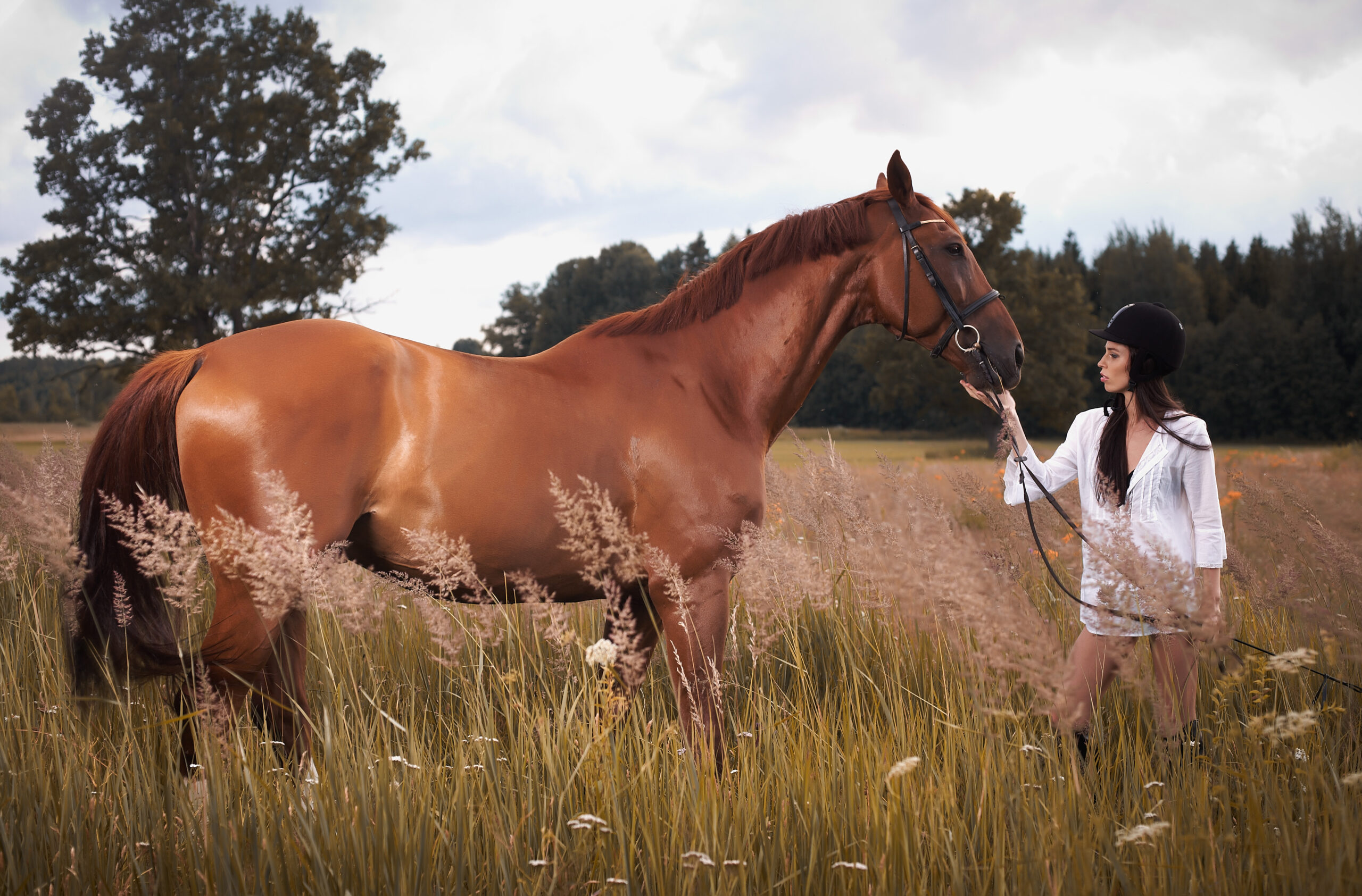
Equine & Horsemanship Gap Year (10 months) Program.
Choose Your Adventure with The Outpost Wildlife Academy
Step into a life-changing year of growth, learning, and adventure with our Equine & Horsemanship Gap Year program at The Outpost Academy in Dullstroom, South Africa. Designed for passionate horse lovers, aspiring equestrians, or students exploring a career in the equine industry, this immersive program combines practical horse training, stable management, equine science, and personal development.
Whether you’re dreaming of working professionally with horses, pursuing further studies in animal care, or simply want to spend your gap year doing something meaningful and hands-on, this program offers the perfect balance of theory, experience, and outdoor adventure – all in partnership with global leaders like The Equine Institute (USA).
Equine Gap Year Program
Duration: 10 Month Program
📍 The Outpost Academy – Dullstroom, Mpumalanga, South Africa
In partnership with The Equine Institute (USA)
Embark on a transformational journey where hands-on equine experience meets world-class online learning. The Outpost Academy proudly offers an immersive gap year program that blends natural horsemanship, equine care, stable yard skills, and internationally recognized courses – all set in the scenic heart of Mpumalanga.
Program Highlights
Natural Horsemanship
Learn to connect and communicate with horses, focusing on groundwork, riding, and trust-building with each horse.
Stable Yard Skills
Get hands-on experience in day-to-day horse care:
- Grooming, feeding & mucking out
- Tack and equipment care
- Basic health checks and wound care
- Stable organisation & management
Horse-Riding Adventures
Explore the mountains and open landscapes of Dullstroom on horseback. Trail rides and outdoor riding sessions form part of the weekly adventure and skills development.
Farm Work & Land Management
Take part in everyday farm duties, learn how to care for land and animals sustainably, and understand the principles behind managing a working farm.
Equine Care & Health
This is a comprehensive 10-part training series designed for horse owners, stable managers, or anyone passionate about equine health and care.
Modules include:
Advanced Equine Nutrition & Digestive Health
The Equine Hoof: Anatomy & Maintenance
Equine Dentistry: Teeth & Health Essentials
DIY Equine Bodywork: Relaxation & Recovery
Equine Parasitology: Strategic Management
Pasture & Facility Management for Horses
Musculoskeletal Diseases & Conditions in Horses
Mastering Equine Conformation & Performance
- DIY Equine Bodywork for Beginners: Relaxation Techniques and Essential Bodywork Strokes for Horses
- Masterclass: Equine Case Studies, Vision, Trauma, Saving the eye, Neurological Diseases, Shoulder Injuries, Upper Limb Lameness, Cancer Detection, Decision-Making in the Field and Infectious Diseases.
The health-related module may be adjusted from time to time to better align with the needs and interests of our students.
This series provides a solid foundation in all aspects of horse health, from day-to-day care to advanced management of common conditions.
Second Semester Programme – EQASA Qualification
During the second half of the year, we complete the EQASA qualification, covering Module 1 and Module 2: Stable Yard Skills.
Module 1 includes the following components:
• Blankets & Boots
• Grooming 1
• Yard Management 1
• Equine Physiology & Behaviour 1
• Tack 1
Module 2 includes the following components:
• Tack 2
• Physiology & Behaviour 2
• Grooming 2
• Travel & Trucking
• Lungeing 1
• Yard Management 2
🎓 Practical + Theoretical Training
The courses include a strong mix of theory and hands-on application, but each takes a unique approach, Equine Care & Health focuses on the well-being and management of horses themselves.
Understanding Horse Behaviour, Anatomy & Biological Systems
Offered at The Outpost Wildlife Academy – In Partnership with The Equine Institute
Discover the science behind the horse in our immersive 6-month Equine Science program at The Outpost Wildlife Academy in Dullstroom, Mpumalanga. In partnership with The Equine Institute, this course combines practical stable experience with internationally recognised online learning, giving students a strong foundation in equine care, anatomy, behaviour, and health management.
Throughout the program, students work directly with horses while completing expert-led online modules, gaining both theoretical insight and real-world experience.
➕ Additional Program Components
Stable Yard Skills
Develop hands-on experience in the daily care and management of horses:
Grooming, feeding, and mucking out
Tack and equipment maintenance
Basic health monitoring and wound care
Stable organisation and hygiene best practices
Horse-Riding Adventures
Enjoy scenic trail rides through the hills of Dullstroom. These guided rides form part of the weekly schedule and provide students with an opportunity to explore the natural environment while building confidence around horses (no prior riding experience required).
Farm Work & Land Management
Gain practical knowledge in sustainable agriculture and land care. Students assist with general farm operations and learn the fundamentals of managing a working property that integrates livestock, wildlife, and natural resources.
Lodge Management Training
Get first-hand experience in hospitality by learning how to run a lodge. This includes guest services, event coordination, and eco-tourism practices—ideal for those interested in tourism, lodge work, or owning an equine-based hospitality business.
Students enrolled at The Outpost Wildlife Academy have the option to expand their learning by enrolling in additional science-based equine courses offered in partnership with The Equine Institute. For an additional fee, students can customise their educational journey by selecting from a variety of specialised modules, including Equine Nutrition & Digestive Health, Equine Vet Technician Fundamentals, and Happy Hoof: Comprehensive Equine Hoof Care and Nutrition, among others. These internationally recognised courses are designed to deepen theoretical understanding and support professional development, with a certificate awarded upon completion. Most courses are NBCAAM, RACE, and ETAA approved.
Additional Courses
Short courses and certifications
In addition to the main program, The Outpost Wildlife Academy offers a range of optional short courses and certifications that students can choose to add for an additional fee. These courses cover various topics across wildlife management, agriculture, conservation, and equine studies, allowing students to tailor their experience and deepen their knowledge in specific areas of interest.
The Outpost Wildlife Academy offers students the opportunity to attend a Professional Hunter (PH) course at Tangara Lodge in Naboomspruit as a group. This accredited course equips students with the essential skills and knowledge to qualify as professional hunters and outfitters, enhancing their career prospects in the wildlife and hunting industry.
Students at The Outpost Wildlife Academy can choose to enhance their learning by enrolling in additional advanced equine courses—such as nutrition, hoof care, anatomy, and more—through our partnership with The Equine Institute, allowing you to pursue specialised modules online and earn extra qualifications.
Students at The Wildlife Academy also have the opportunity to prepare for their EQASA (Equestrian Qualifications Authority of South Africa) certification.
This is an online course offered by SANIP and is a fully accredited South African qualification. While the program is managed online, our facilities and riding environment at The Outpost provide the perfect setting to support your studies and practical development should you wish to pursue this qualification alongside your academy program.
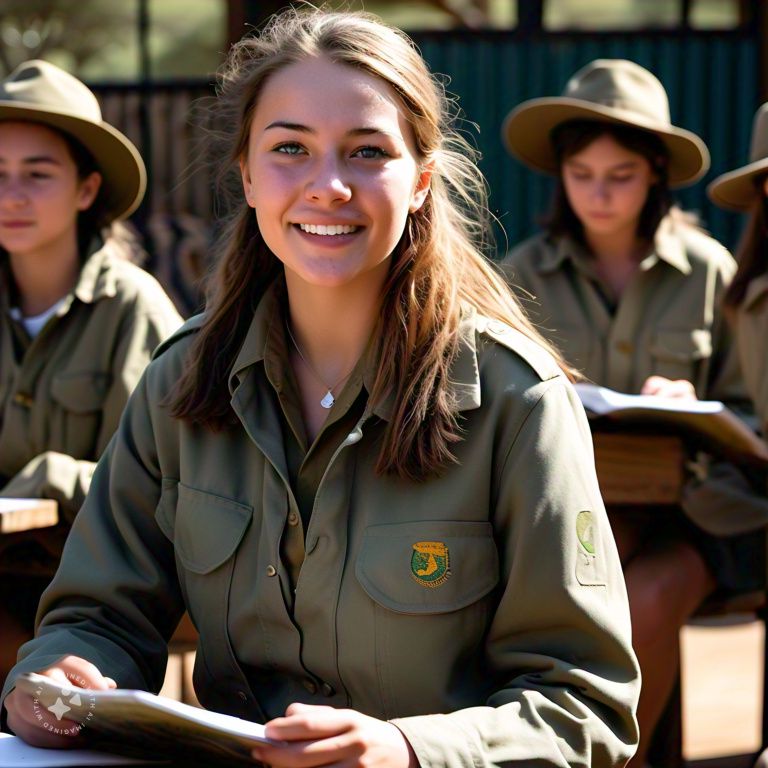
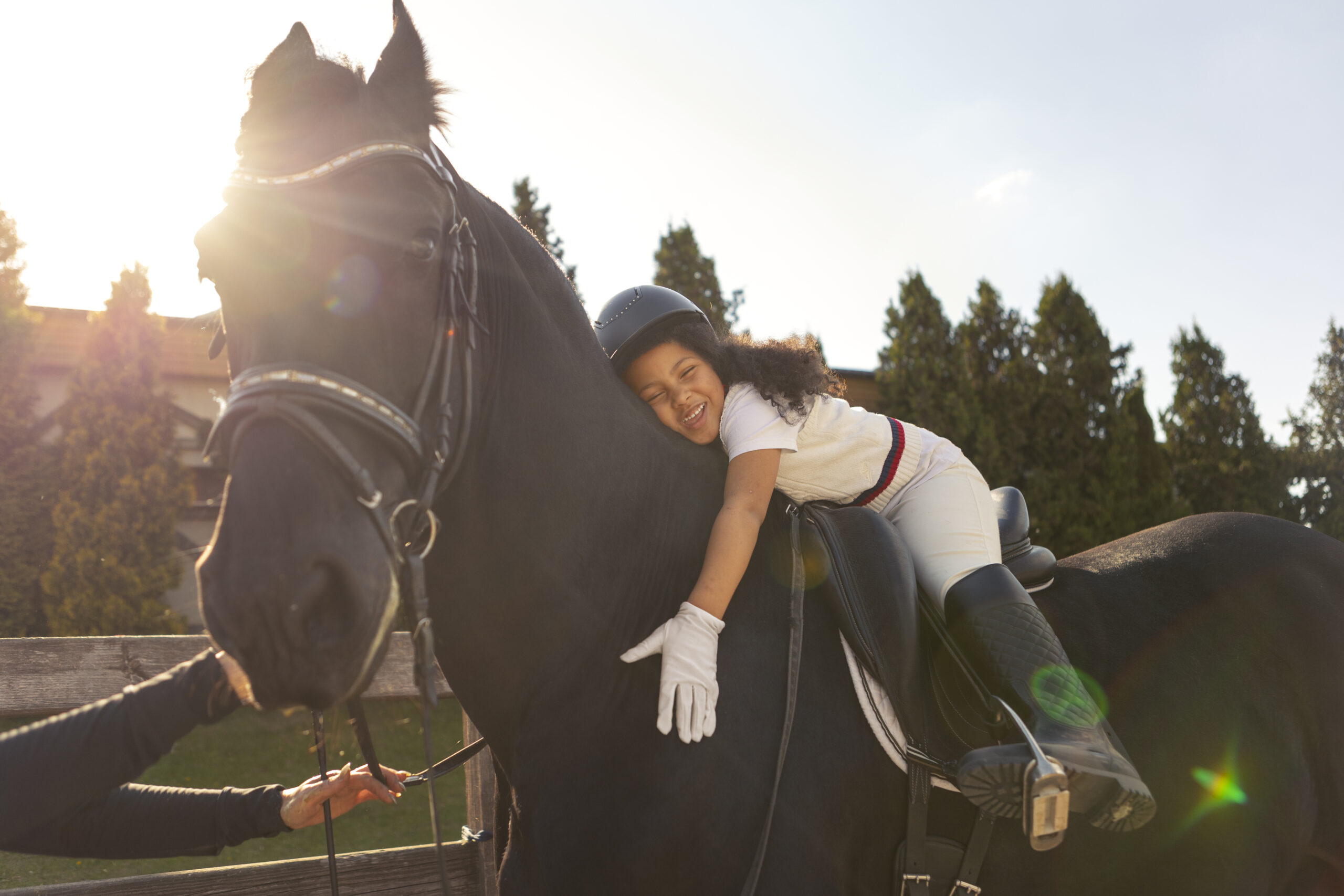
Holiday Programs
Discover, Ride, and Connect: An Exciting Adventure for Young Enthusiasts
Welcome to the Holiday Program at The Outpost Dullstroom!
This fun and educational program is perfect for school-aged children and young adults who love the outdoors, horses, and adventure. In addition to riding lessons and horsemanship education, the program now includes a dynamic adventure camp where students learn valuable life skills such as building a shelter, basic survival techniques, teamwork, and problem-solving in a safe, supportive environment. With a balanced mix of outdoor challenges, horse care, and fun group activities, it’s a holiday experience they’ll never forget!
Age Group: 10-23 years
Duration: 5 nights
Location: The Outpost Dullstroom
Daily Schedule
Sunday Day 1: Arrival & Welcome
15:00 – 16:00: Arrival, welcome briefing & check-in
16:00 – 17:00: Camp tour and meet the horses
17:00 – 18:00: Icebreaker games & team introductions
18:00: Supper & campfire orientation (camp rules, safety, what to expect)
Day 2: Riding & Survival Skills
07:30 – 08:30: Breakfast & morning circle
08:30 – 10:30: Basic riding lessons (arena work & confidence building)
10:30 – 12:00: Shelter-building challenge (bushcraft skills)
12:00 – 13:00: Lunch
13:00 – 15:00: Orienteering & map reading
15:00 – 16:30: Water purification demo & fire-starting skills
17:00: Dinner & marshmallows by the fire
Day 3: Trail Ride & Life Skills
07:00 – 08:00: Breakfast
08:00 – 11:00: Scenic trail ride on the farm
11:00 – 12:30: Bush cooking (prep & make your own meal over fire)
12:30 – 13:30: Lunch outdoors
13:30 – 15:00: Practical horse care: tack & hooves
15:00 – 16:30: Fun group challenges / scavenger hunt
17:00: Supper & star-gazing
Day 4: Wildlife & Adventure
08:00 – 09:00: Breakfast
09:00 – 11:00: Wildlife tracking walk & game ID
11:00 – 12:30: First aid basics and outdoor safety
12:30 – 13:30: Lunch
13:30 – 15:00: Group horse games
15:00 – 16:30: Obstacle course & team building
17:00: Dinner & fun prize handouts
Day 5: Wrap-Up & Departure
08:00 – 09:00: Breakfast & pack-up
09:00 – 10:00: Final group ride or horse walk
10:00 – 10:30: Reflection & camp feedback
11:00: Departure
- Beginner Riders: Introduction to horse riding, basic riding techniques, safety practices, and building confidence.
- Intermediate Riders: Enhancing riding skills, learning to trot and canter, and basic jumping techniques.
- Advanced Riders: Advanced riding techniques, complex manoeuvres, and preparing for competitive riding.
- Horse Care and Grooming: Understanding the basics of horse care, grooming techniques, and the importance of maintaining a healthy horse.
- Saddle and Tack: Learning about different types of saddles and tack, and how to properly saddle a horse.
- Horse Behaviour and Communication: Understanding horse behaviour, body language, and effective communication with horses.
- Equine Health and Nutrition: Basics of horse health, common ailments, and proper nutrition.
- Horse-Themed Arts and Crafts: Creating horse-themed art projects and crafts to take home as souvenirs.
- Obstacle Course: Fun and challenging obstacle courses to improve riding skills and teamwork.
- Trail Rides: Exploring the beautiful trails around The Outpost Dullstroom while practicing riding skills.
- Games on Horseback: Engaging in fun games and activities on horseback to build confidence and coordination.
- Dormitory Style: Comfortable, shared dormitory accommodation with bunk beds.
- Facilities: Shared bathroom facilities, common areas for relaxation and socializing.
- Meals: Nutritious meals provided three times a day, with snacks available during breaks.
- Supervision: Experienced staff providing 24/7 supervision to ensure the safety and well-being of all participants.
- Comfortable riding clothes (long pants and boots)
- Riding helmet (provided if needed)
- Casual clothes for evening activities
- Personal toiletries and towel
- Sleeping bag and pillow
- Water bottle
- Sunscreen and hat
- Any necessary medications
To enroll your child in our 5-Day Horse-Riding Program, please email us opleiding@theoutpostdullstroom.co.za
We look forward to welcoming your child to an unforgettable adventure at The Outpost Dullstroom!
Next holiday program will be announced on our Facebook page.