
STUDENT INFORMATION
YOUR ADVENTURE
with The Outpost Wildlife Academy

ACCOMMODATION
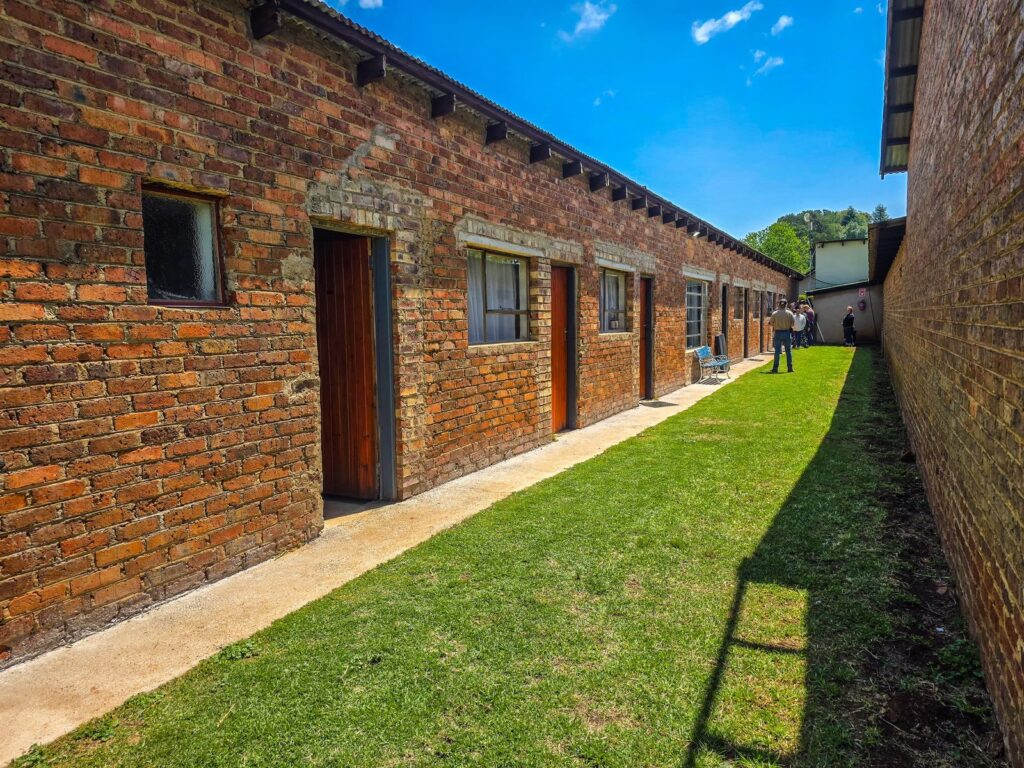
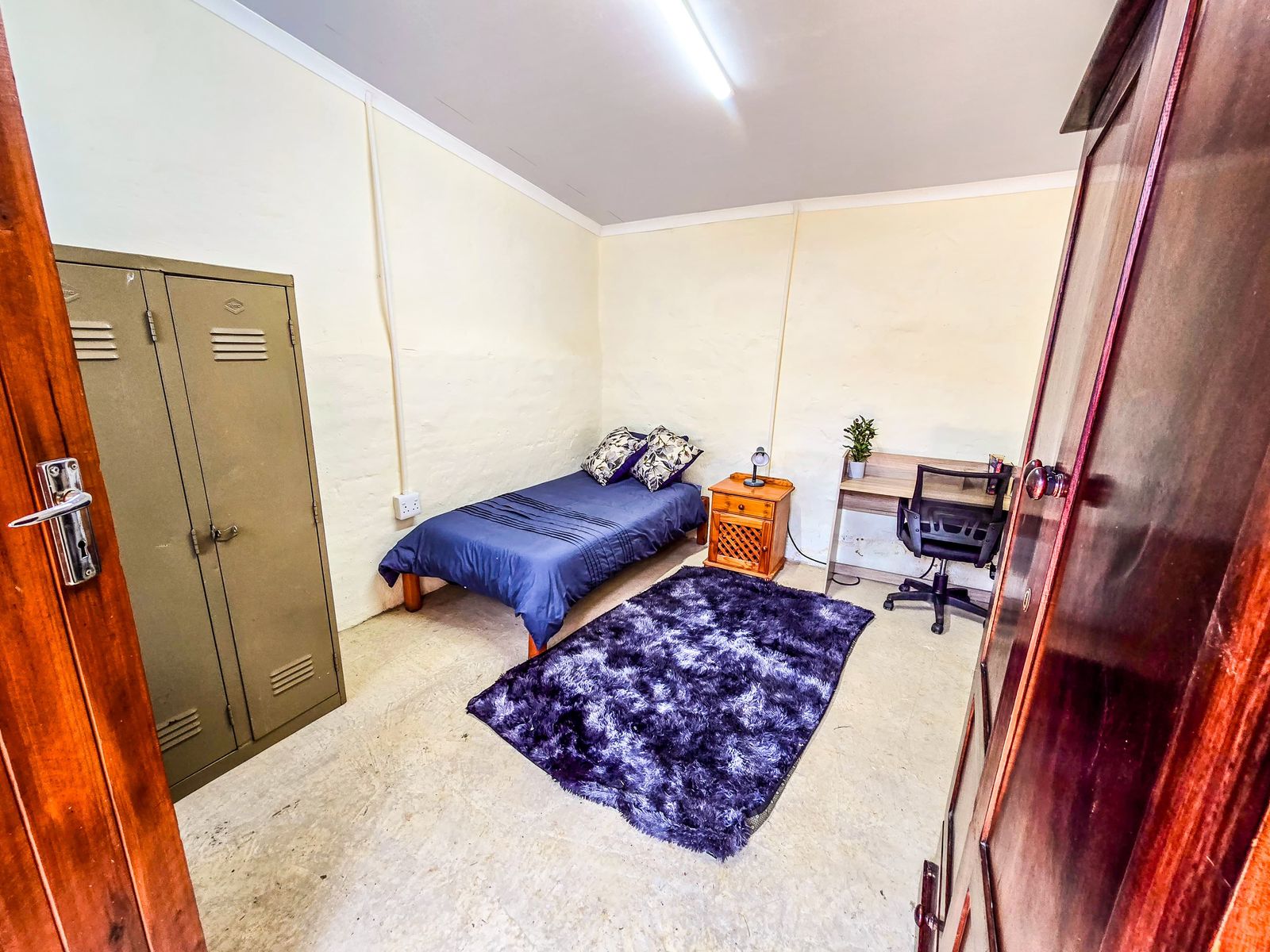
Students at The Outpost Academy will be accommodated in double or single rooms. Rooms have a shared bathroom. Upon arrival, students will be assigned a room number and will move in accordingly, with the option to change rooms after two weeks if needed. Three meals a day will be provided to ensure a well-rounded experience.
Attendance at dinner, evening devotion, and study time (until 21:00) is mandatory. Students are expected to stay in their assigned rooms at The Outpost Academy each night, unless special arrangements have been made.
Students are responsible for keeping their rooms tidy, with regular inspections conducted. They wash their own laundry using a washing machine in the laundry room and iron their clothes if needed.
Students may hang their own curtains in their rooms. If personal curtains are used, the student is responsible for rehanging The Outpost Academy’s curtains when they leave at the end of the year.
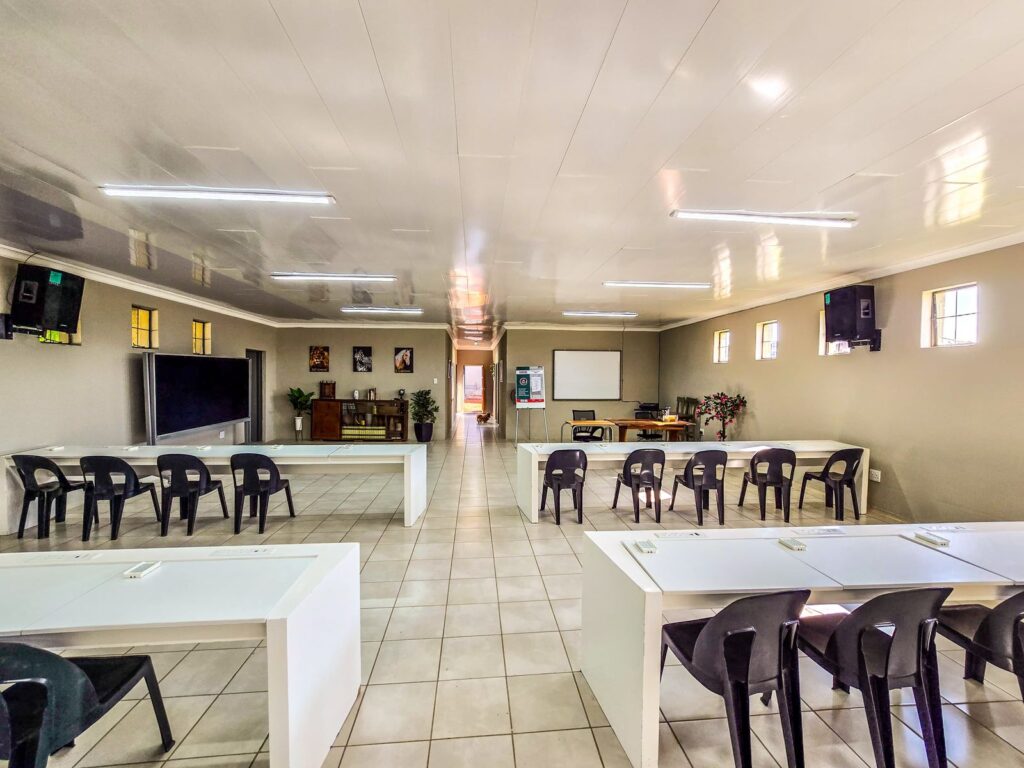
Each student is provided with a bed, wardrobe, bedside table, and chair in their room. A desk and bookshelf are provided in the lecture hall.
Students have mandatory duties to prepare breakfast and assist with dinner and weekend meals according to assigned groups. Students who stay over during holidays and off weekends pay R60 per day or part of the day.
ASSIGNMENTS
A laptop or tablet can be used for assignments, with a laptop being the best option. Assignments can be done in writing and/or electronically. WiFi is available (although we experience issues with WiFi when there are power outages from Eskom).
The best phone reception is with Vodacom, please note there will be no phones allowed in the lecture hall during lectures.
TOWN DAY, WEEKENDS, AND SUNDAY
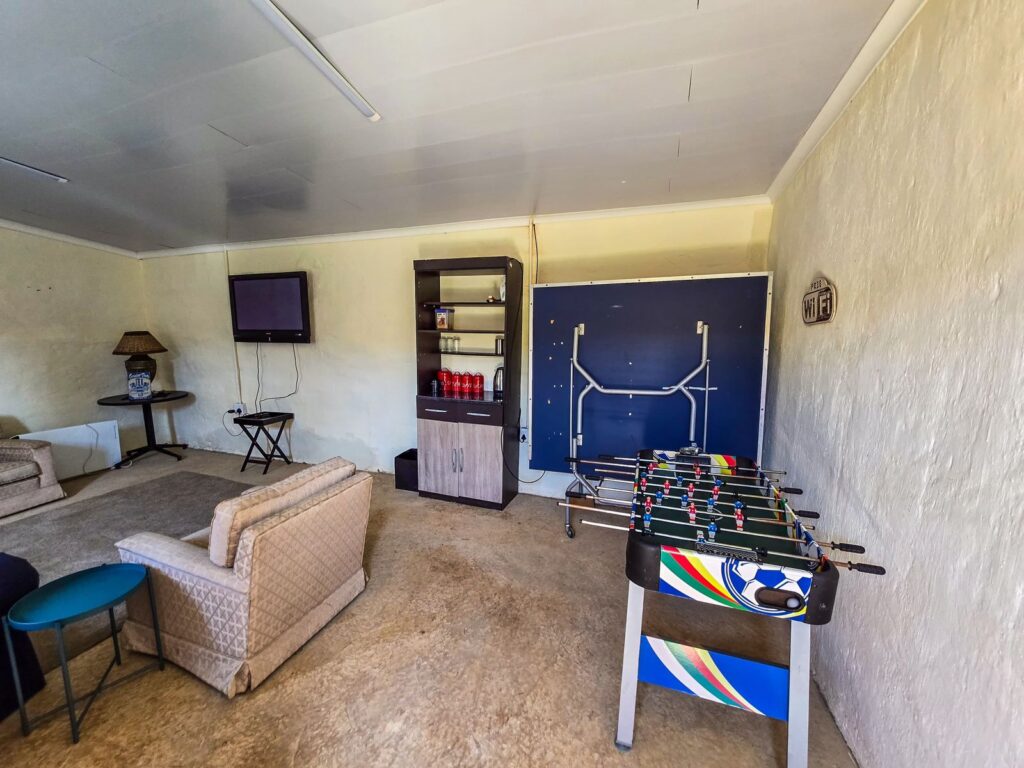
We have town days once a week, where we visit Dullstroom or Belfast for shopping. On Sundays, we attend church. Over weekends, we frequently host church or school camps, weddings, festivals and social events, with students helping wherever they can. On other weekends, students can enjoy activities such as watching movies, horse-riding, fishing, canoeing, having a braai, or participating in a social dance.
RULES at THE OUTPOST
The Outpost Academy’s behavioural rules apply to all students. Students sign an agreement to adhere to these rules.
Smokers must indicate on their APPLICATION FORM that they smoke and may only smoke in the designated area.
Male students visiting female students’ rooms or female students visiting male students’ rooms, will have their studies immediately suspended. Parents remain responsible for the outstanding fees.
HOLIDAYS AND LONG WEEKENDS
We do not follow the regular school term dates, as our holiday farm and in-house training are best conducted during traditional school holidays. The Outpost Academy provides all students with a calendar at the beginning of each academic year.
Students enroll at The Outpost Academy from all over the country, and some live too far to go home frequently. Since we keep busy with our activities on public holidays that fall during the week, we can create a long weekend after four weeks (or longer). Students may leave as early as 6:00 AM on Thursday morning. For these special long weekends, students must return by Monday afternoon before 8:00 AM.
Please refer to the YEAR PROGRAM for all dates.
ACADEMIC CODE OF CONDUCT
Students and their parents should sign the ACADEMIC CODE OF CONDUCT, agreeing to adhere to the terms set out in these codes. Add LINK
WHAT TO BRING
- Riding Shoes: Shoes suitable for riding horses and boots.
- Clothing: Denim long pants, comfortable walking shoes, collared shirts with sleeves (required for sun protection), and farm clothes in khaki or denim. Women should wear knee-length shorts (no short shorts). For class attire, wear neat shorts/long pants and shoes with a tidy shirt. Bring a hat (any wide-brimmed type).
- Water Shoes: Gumboots.
- Formal Attire: On days when guests are received, students are required to wear formal attire specific to The Outpost Wildlife Academy. For educational outings, students should wear formal attire with shoes (not gumboots), and women should wear long pants.
- Logo Apparel: Shirts and hats with The Outpost Wildlife Academy logo will be ordered on February 1st according to the student’s size. Winter jackets will be ordered at the end of March. The cost for these clothes is +-R2,500, payable on February 1st.
- Church Attire: Neat pants/shirts/dresses for church.
- Warm Clothing: Enough warm clothing for the winter, including a thermal vest for extra warmth.
- Bedding: Duvet and pillow, with an extra blanket for winter.
- Accessories: Flashlight, backpack, water bottle, gumboots (water shoes), and a coffee mug.
- Lunch Container: A container for packing sandwiches when doing practicals on other farms.
- Documentation: Copies of your identity document.
- Stationery: Three exam pads, pens, and one thick lever-arch file.
- Computer: Laptop or tablet.
- Bible
- Room Supplies: Wastebasket for the bedroom and laundry basket. Laundry detergent for a twin-tub washing machine.
Please ensure you bring these items to make your stay at The Outpost Academy comfortable and enjoyable.
COMMUNICATION WITH STUDENTS
Students are encouraged to use the open communication channels to discuss their concerns, problems, and requests.
ACADEMIC YEAR
The academic year begins on 26 January and end 30 November.
FAQ
Accommodation
Q: Where do students stay?
All students stay in dorm-style rooms on the academy premises.
Q: Is there electricity in the rooms?
Yes, each room has electricity, and students can charge their phones and other electrical devices in their rooms.
Q: Who is responsible for cleaning the rooms?
Students are responsible for cleaning and maintaining their own rooms. Room inspections are conducted regularly to ensure cleanliness and standards are maintained.
Q: Are cleaning materials provided?
No. Each student must bring their own cleaning materials and broom.
Meals
Q: Are meals included?
Yes.
Weekdays: Breakfast, lunch, and dinner are provided for all students.
Weekends: Students prepare their own meals.
Q: Is there a kitchen students can use?
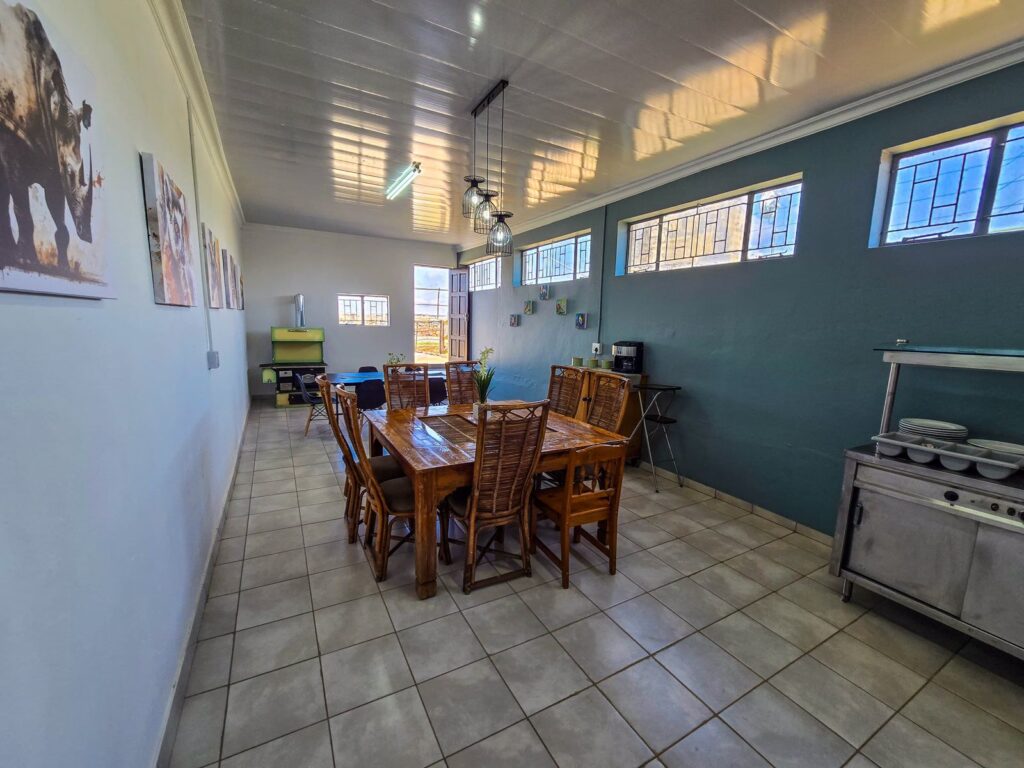
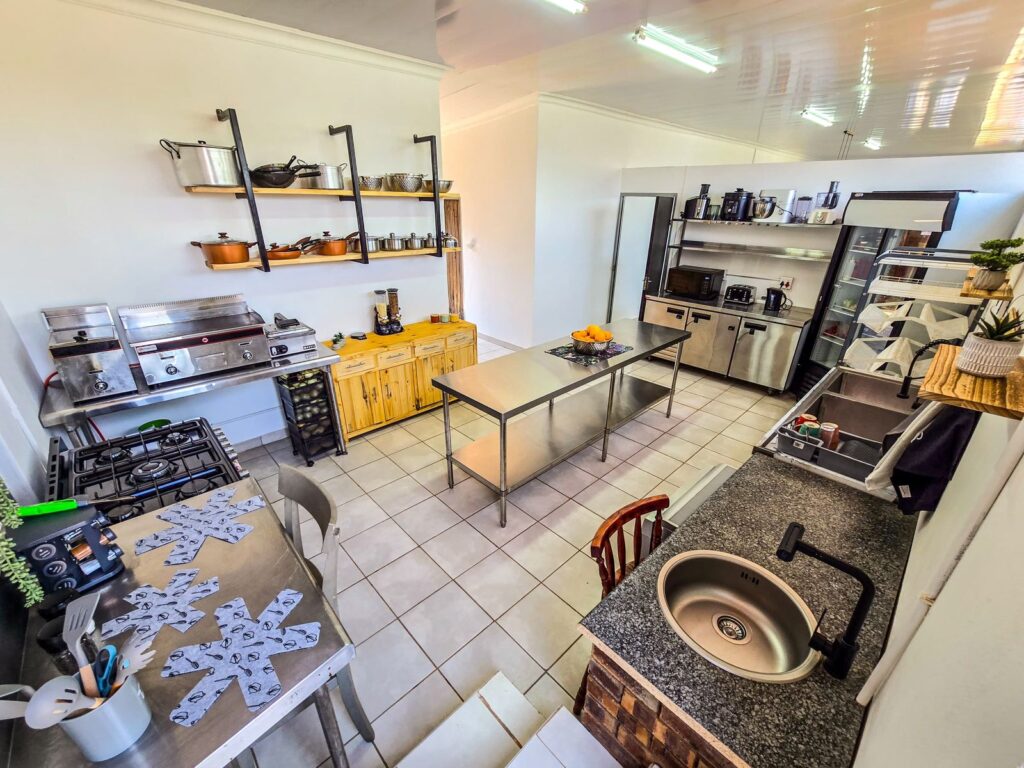
Yes, there is a shared kitchen with cooking facilities.
Q: Is there enough fridge space?
There is limited fridge and storage space in the communal kitchen. Students are encouraged to bring a small fridge for their room to store personal or perishable food items.
Q: Do students help with kitchen duties?
Yes. Students are divided into groups that take turns assisting in the kitchen according to a roster. This is part of the practical programme and helps build teamwork and self-discipline.
Q: Is the dining hall open all year?
No. The dining hall is only open during academic days and not during holiday periods.
Laundry
Q: Are there laundry facilities?
Yes, there are washing machines available on-site for student use.
Q: Can students use outside laundry services?
Yes, students may use a laundry service in Dullstroom.
Wi-Fi and Connectivity
Q: Is there Wi-Fi available?
Yes, the academy provides Wi-Fi access for all students to use for research, communication, and academic work.
Q: Should students have their own data?
It’s recommended that students have their own mobile data as backup for personal use or when working outside Wi-Fi areas.
Practical Clothing Requirements
Q: What clothing and gear do students need for practical training?
Students must have the following:
A work overall or durable work clothes
Safety boots
Water boots (farm or gumboots) for wet or muddy conditions
A sun hat or cap
A riding helmet for horse-related activities
A shoe or boot with a heel for horse riding
And, where required, safety glasses and gloves
(Full details are provided during orientation.)
Transport and Practical Placements
Q: How does transport work for practical placements?
Transport to and from practical sites is included in the course fees.
Q: Are there any extra travel costs?
Only if a placement is very far away or requires unusual travel arrangements — in which case, this will be discussed with parents beforehand.
Q: Can students bring their own vehicles?
Yes, there is on-site parking available for students with their own cars.
Illness and Medical Emergencies
Q: What happens if a student becomes sick?
If a student falls ill, the academy will immediately assist with arranging a doctor’s visit.
Q: What if the student cannot drive?
If needed, transport will be arranged until parents can be reached or are available.
Q: Who helps with medical issues on campus?
Our house mother is a qualified nurse with many years of experience. She is available to assist during emergencies or when a student is unwell.
Q: Who pays for medical expenses?
All medical costs (doctor’s visits, medication, or other treatment) are the responsibility of the student or their parents.